
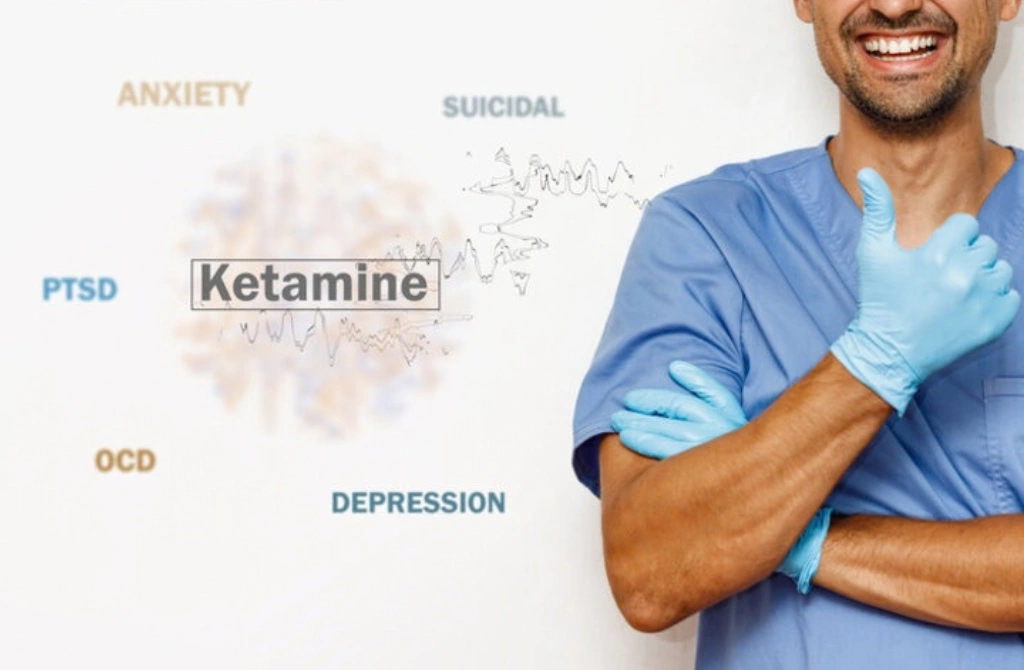
Ketamine therapy has gained attention as a potential treatment option for people who have not found sufficient relief from traditional mental health treatments. In Miami, patients seeking innovative psychiatric care may encounter ketamine infusion therapy as part of a broader treatment plan.
Before considering treatment, it is important to understand how ketamine therapy works, who may benefit, what a treatment session involves, and why professional medical supervision matters. AMC Psychiatric Services provides IV ketamine infusion therapy in Miami for patients dealing with conditions such as treatment-resistant depression, PTSD, anxiety, and related mental health concerns.
What Is Ketamine Therapy?
Ketamine is a medication that has been used medically for decades, including as an anesthetic. In mental health care, clinicians may use ketamine at carefully controlled doses for certain patients, particularly when conventional treatments have not provided adequate results.
Unlike many traditional antidepressants, ketamine can produce relatively rapid changes in depressive symptoms for some patients. Research has demonstrated meaningful responses among people with treatment-resistant depression, although individual outcomes vary.
It is important to recognize that ketamine therapy is not a guaranteed solution or appropriate for everyone. A qualified psychiatric provider should evaluate your medical history, psychiatric symptoms, current medications, and treatment goals before recommending it.
What Conditions May Ketamine Therapy Address?
Ketamine treatment is commonly discussed in connection with treatment-resistant depression, but its potential psychiatric applications can extend beyond depression.
Depending on a patient’s circumstances and clinical evaluation, ketamine therapy may be considered for:
- Treatment-resistant depression
- Certain anxiety disorders
- Post-traumatic stress disorder (PTSD)
- Obsessive-compulsive disorder (OCD)
At AMC Psychiatric Services, the clinic describes ketamine infusion therapy as an option for treatment-resistant depression, PTSD, anxiety, and OCD. The clinic also provides broader psychiatric services, including care for depressive disorders, anxiety disorders, bipolar and related disorders, and psychotic disorders.
How Effective Is Ketamine Therapy?
Research suggests that ketamine can provide rapid antidepressant effects for some people with treatment-resistant depression. However, response rates differ between studies, treatment protocols, and patient populations.
One large randomized clinical trial compared intravenous ketamine with electroconvulsive therapy (ECT) for nonpsychotic treatment-resistant major depression. During the initial treatment phase, 55.4% of patients receiving ketamine achieved the study’s defined response compared with 41.2% receiving ECT.
| Ketamine Therapy Statistic | Finding |
| Ketamine response rate in the trial | 55.4% |
| ECT response rate in the trial | 41.2% |
| Ketamine treatment group | 195 patients |
| Overall randomized participants | 403 patients |
What Happens During a Ketamine Infusion?
An IV ketamine treatment takes place in a controlled clinical environment. Before treatment, a provider typically reviews your health history, medications, symptoms, and treatment objectives to determine whether ketamine is appropriate.
During an infusion, the medication is administered intravenously while trained medical professionals monitor the patient. Some people experience temporary changes in perception, relaxation, dizziness, or dissociation. These effects are among the reasons appropriate clinical supervision is important.
After treatment, patients may need time to recover before returning to normal activities. Your provider should give you specific instructions regarding transportation, driving, medications, and other activities following an infusion.
What Should Patients Consider Before Treatment?
Ketamine therapy should be approached as a medical treatment rather than a quick or standalone solution. Ask your provider about the expected number of sessions, possible side effects, alternatives, costs, and how progress will be evaluated.
You should also provide complete information about your current medications and medical conditions. Ketamine can affect blood pressure and may cause dissociation or other side effects, while concerns about misuse and dependence make appropriate screening and monitoring important.
A comprehensive psychiatric treatment plan may combine medication management, therapy, and other appropriate services rather than relying on ketamine alone.
Why Choose Professional Ketamine Care in Miami?
Choosing a qualified provider is one of the most important steps when considering ketamine infusion therapy. Patients should look for experienced psychiatric professionals, individualized treatment planning, appropriate monitoring, and a safe clinical environment.
AMC Psychiatric Services offers personalized psychiatric care and IV ketamine infusion therapy in Miami, with licensed psychiatric providers and therapists focused on evidence-based, patient-centered treatment. The clinic also offers medication management and therapy services as part of its broader mental health care.
Is Ketamine Therapy Right for You?
Ketamine therapy may be worth discussing with a psychiatric professional if traditional treatments have not provided adequate relief, particularly when symptoms are persistent or treatment-resistant. However, suitability depends on individual medical and psychiatric factors.
Before starting treatment, schedule a professional evaluation and discuss your symptoms, previous treatments, medications, potential risks, and realistic treatment goals. A personalized assessment can help determine whether ketamine infusion therapy is an appropriate option for your situation.
If you are considering ketamine therapy in Miami, learning about the treatment beforehand can help you make a more informed decision and have a productive conversation with your mental health provider.
FAQs
Who may be a candidate for ketamine infusion therapy?
Ketamine infusion may be considered for some people with treatment-resistant depression, anxiety, PTSD, or OCD. A psychiatric evaluation is necessary to determine whether the treatment is appropriate.
How does ketamine infusion work?
During an infusion, ketamine is delivered intravenously in a controlled clinical setting. Patients are monitored by medical professionals throughout the treatment.
How long does a ketamine infusion take?
The infusion itself is generally administered over a controlled period, but the overall appointment can take longer because patients need preparation, monitoring, and recovery time. Your provider can explain the expected duration.
What can I expect during ketamine therapy?
Some patients experience relaxation, altered perception, dizziness, or temporary dissociation during an infusion. These effects are monitored by the clinical team and typically resolve as the medication wears off.
Is ketamine therapy safe?
Ketamine can have side effects and is not suitable for everyone. Medical screening, appropriate dosing, and professional monitoring are important for reducing potential risks.