
Anxiety can affect nearly every aspect of daily life, from personal relationships and work performance to sleep and overall well-being. While occasional worry is a normal response to stress, persistent fear, excessive nervousness, and recurring panic may indicate an anxiety disorder. For individuals and families in Pinecrest, Florida, recognizing these symptoms early can make a meaningful difference in finding appropriate mental health support.
Understanding the different types of anxiety disorders, identifying warning signs, and exploring available treatment options can help people take the first step toward better emotional health. With professional psychiatric care, personalized treatment, and ongoing support, managing anxiety can become more achievable.
What Are Anxiety Disorders?
Anxiety disorders are mental health conditions characterized by excessive fear, worry, or apprehension that interferes with everyday activities. Unlike temporary stress, clinical anxiety may persist even when there is no immediate danger or obvious reason for concern.
These conditions can affect people of different ages and backgrounds. Genetics, environmental stress, traumatic experiences, medical factors, and changes in brain chemistry may contribute to their development. Anxiety can also occur alongside depression, sleep disturbances, or other mental health concerns.
Common types of anxiety disorders include:
- Generalized Anxiety Disorder (GAD): Persistent worry about everyday responsibilities, health, finances, family, or work.
- Panic Disorder: Repeated panic attacks involving intense fear, a racing heart, shortness of breath, or dizziness.
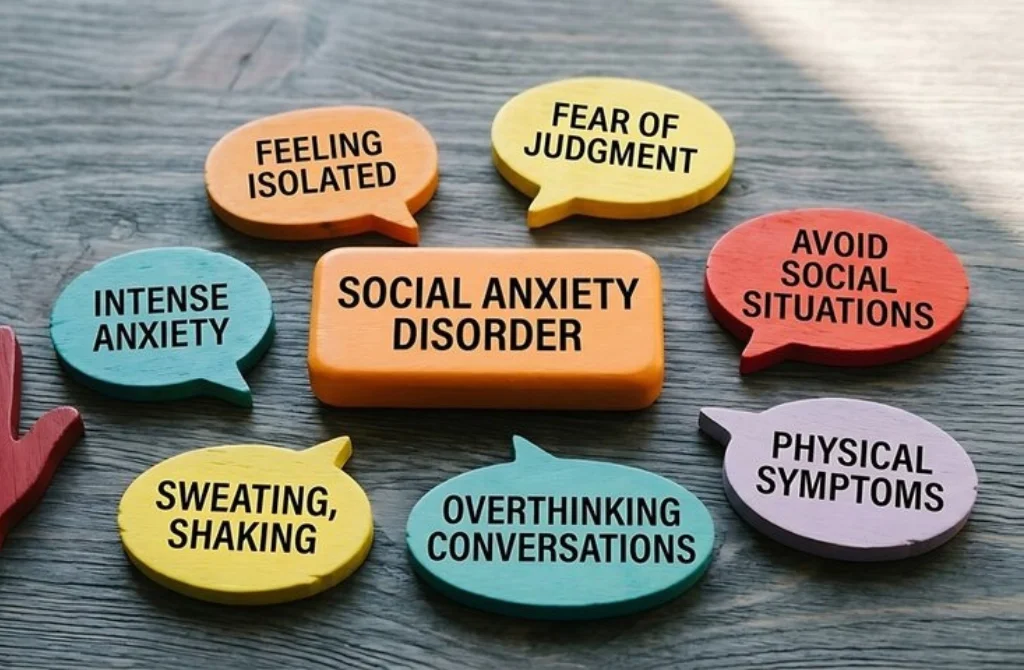
- Social Anxiety Disorder: Significant fear of judgment, embarrassment, or social situations.
- Specific Phobias: Intense fear of particular objects, animals, situations, or activities.
- Agoraphobia: Fear of situations where escaping or accessing help might feel difficult.
Identifying the type of anxiety involved helps a psychiatrist or other qualified mental health professional recommend appropriate treatment.
What Are the Common Signs of Anxiety Disorders?
Anxiety symptoms can affect the mind and body, and their intensity varies from person to person. Some individuals experience constant worry, while others experience sudden episodes of overwhelming fear.
Common emotional and psychological symptoms include:
- Excessive worry that feels difficult to control
- Restlessness, irritability, or feeling constantly on edge
- Difficulty concentrating or making decisions
- Fear of losing control or anticipating the worst
- Avoidance of social activities or stressful situations
Physical symptoms may include a rapid heartbeat, sweating, muscle tension, trembling, headaches, stomach discomfort, and difficulty sleeping. These symptoms can sometimes resemble other medical conditions, so a healthcare professional can help determine their cause.
When anxiety begins interfering with relationships, school, work, or daily responsibilities, seeking a professional evaluation is a sensible next step. Early intervention can help prevent symptoms from becoming more disruptive.
General Statistics About Anxiety Disorders
Anxiety disorders represent a significant public health concern worldwide. The following statistics provide general context rather than estimates specific to Pinecrest.
| Statistic | General finding |
| Global prevalence | Approximately 359 million people were living with anxiety disorders worldwide in 2021. |
| Lifetime experience | About 1 in 3 adults in the United States experiences an anxiety disorder at some point in life. |
| Common age of onset | Many anxiety disorders begin during childhood or adolescence, although they can develop at any age. |
| Treatment outlook | Evidence-based psychotherapy and, when appropriate, medication can help many people manage symptoms and improve daily functioning. |
These figures come from different research populations and time periods, so they should not be interpreted as directly comparable estimates. Individual experiences and treatment needs also vary.
What Treatment Options Are Available for Anxiety Disorders in Pinecrest?
Anxiety treatment depends on the individual’s symptoms, medical history, diagnosis, and personal goals. A comprehensive mental health evaluation helps determine which approach may provide the greatest benefit. For residents of Pinecrest seeking professional support, several evidence-based treatment options are available.
1. Psychotherapy and Cognitive Behavioral Therapy
Cognitive behavioral therapy (CBT) is a widely used treatment for anxiety disorders. It helps individuals recognize negative thought patterns, challenge unhelpful beliefs, and develop healthier responses to stressful situations.
Exposure-based techniques may also help people gradually confront specific fears in a structured, supportive environment. Therapy can improve emotional regulation, reduce avoidance behaviors, and strengthen long-term coping skills.
2. Medication Management
Medication may be appropriate when anxiety symptoms are persistent, severe, or significantly affect daily functioning. A psychiatrist can assess whether medication is suitable and explain its potential benefits, side effects, and risks.
Common medication options include certain antidepressants, such as selective serotonin reuptake inhibitors (SSRIs), which are frequently prescribed for anxiety disorders. Treatment requires professional supervision, and medication choices should be individualized rather than based on symptoms alone.
3. Personalized Psychiatric Care
Psychiatric care can help individuals understand their symptoms, explore contributing factors, and develop a coordinated treatment plan. Depending on the person’s needs, care may involve medication management, psychotherapy referrals, relaxation strategies, and regular follow-up appointments.
AMC Psychiatric Services provides services for anxiety disorders, including generalized anxiety disorder, panic disorder, social anxiety, and phobias. Its approach includes individualized treatment planning, relaxation techniques, and medication management when appropriate.
How Can You Manage Anxiety Between Appointments?
Professional treatment can be supported by practical daily habits. Although self-care is not a substitute for appropriate mental health treatment, consistent routines may help reduce stress and improve overall well-being.
Consider these strategies:
- Maintain a regular sleep schedule: Consistent sleep and wake times can support emotional regulation.
- Exercise regularly: Walking, swimming, or other enjoyable physical activities may help ease tension.
- Practice relaxation techniques: Slow breathing, mindfulness, and progressive muscle relaxation can help manage stress.
- Limit caffeine and alcohol: These substances can worsen anxiety symptoms or interfere with sleep in some people.
- Stay connected: Talking with trusted friends or family members can reduce feelings of isolation.
- Track your symptoms: Recording triggers, sleep patterns, and anxious thoughts may help you identify patterns to discuss with your provider.
Progress may take time, and setbacks do not mean treatment has failed. Consistency and communication with your mental health professional are important parts of recovery.
When Should You Seek Professional Help?
Consider scheduling an evaluation if persistent worry, panic attacks, physical tension, or avoidance behaviors begin affecting your work, relationships, sleep, or ability to complete everyday activities.
A psychiatrist or qualified mental health professional can assess your symptoms, consider other possible causes, and recommend an appropriate treatment plan. You do not need to wait until anxiety becomes overwhelming to seek help.
For individuals exploring psychiatric services near Pinecrest, AMC Psychiatric Services offers information about its mental health services, appointment options, and individualized approach to care. Visit the official website to learn more about the clinic and its services.
Taking the First Step Toward Anxiety Relief in Pinecrest
Anxiety disorders can be challenging, but effective treatment options are available. Recognizing common symptoms, understanding the different types of anxiety, and seeking timely professional support can help individuals regain confidence and improve their quality of life.
Whether treatment involves cognitive behavioral therapy, medication management, lifestyle changes, or a combination of approaches, the right plan should reflect each person’s needs and circumstances.
For people in Pinecrest looking for mental health support, learning about available psychiatric care is a practical first step toward managing anxiety. With professional guidance, appropriate treatment, and consistent self-care, it is possible to develop healthier coping strategies and work toward greater emotional well-being.
FAQs
What are the most common signs of an anxiety disorder?
Common signs include excessive worry, restlessness, irritability, difficulty concentrating, sleep problems, rapid heartbeat, muscle tension, and avoidance of anxiety-provoking situations. Symptoms that persist or disrupt everyday life warrant professional evaluation.
Can anxiety disorders be treated without medication?
Yes. Psychotherapy, particularly cognitive behavioral therapy, is an established treatment for many anxiety disorders. Some individuals benefit from therapy alone, while others may benefit from combining psychotherapy with medication.
How long does anxiety treatment take?
Treatment duration varies according to the diagnosis, symptom severity, treatment approach, and individual response. Some people notice improvements within weeks, while others require longer-term care and periodic adjustments.
How can I find anxiety treatment near Pinecrest?
Start by researching qualified mental health professionals and psychiatric clinics, reviewing their services, and confirming that their treatment options match your needs. AMC Psychiatric Services provides details about anxiety care and other psychiatric services.