A Fast-Acting, Evidence-Based Option for Treatment-Resistant Mental Health Conditions (off lable)
What Is Ketamine Therapy and How Does It Work?
Ketamine therapy is an off-label medical treatment used in psychiatry for individuals with depression and other mental health conditions who have not responded adequately to standard treatments. Ketamine is an FDA-approved medication for anesthesia, but its use in mental health is considered off-label, meaning it is legally prescribed based on scientific evidence and clinical judgment rather than a specific FDA indication. At sub-anesthetic doses it enhances synaptic plasticity and activates pathways such as brain-derived neurotrophic factor (BDNF), which are involved in mood regulation, learning, and neural repair. These mechanisms are believed to contribute to ketamine’s rapid antidepressant effects.
Why Ketamine Treatment Is Used and Its Effectiveness
Ketamine therapy is commonly used for treatment-resistant depression, major depressive disorder, bipolar depression, and low mood disorders. Clinical research has shown that ketamine can lead to significant reductions in depressive symptoms, even in patients who have failed multiple antidepressant trials. One of the key benefits of ketamine treatment is its rapid onset of action, with some patients experiencing improvement within hours to days rather than weeks. While individual response varies, multiple studies demonstrate meaningful symptom relief and reductions in suicidal ideation. Because ketamine therapy is off-label, treatment is carefully individualized, medically supervised, and integrated into a comprehensive psychiatric care plan.
What to Expect During Ketamine Treatment
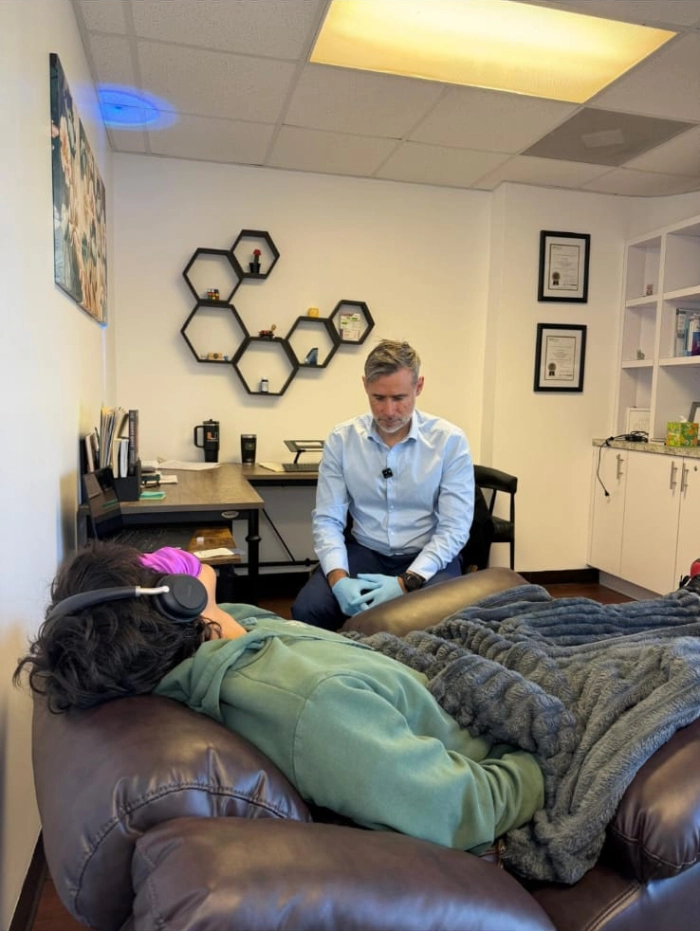
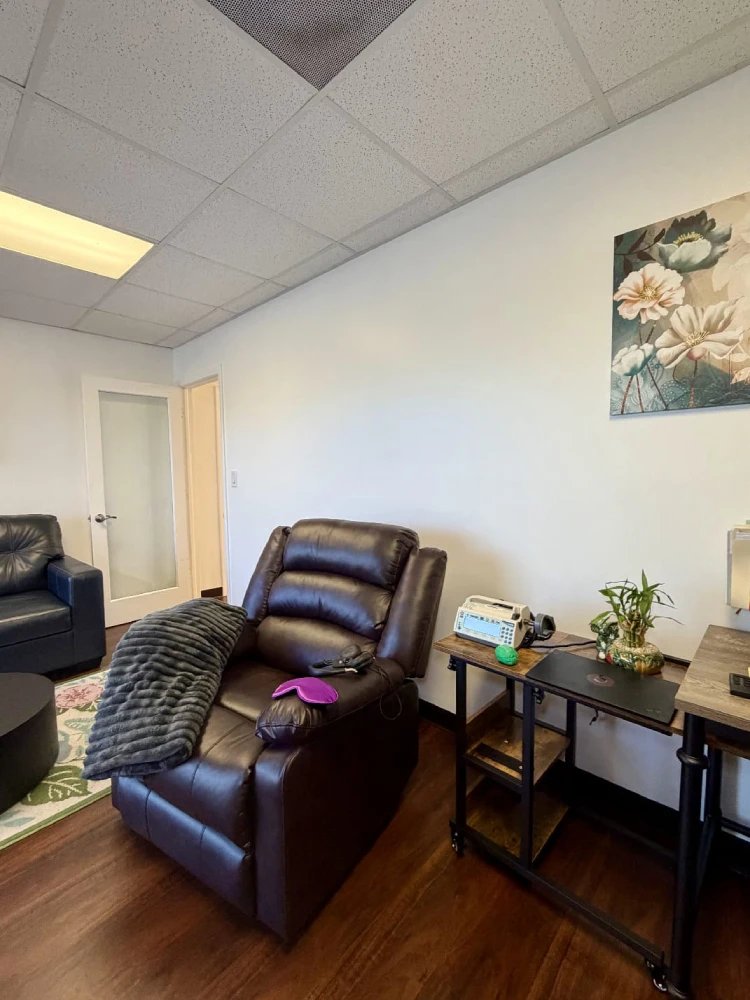
Ketamine therapy is provided in a controlled clinical environment under the supervision of trained anesthesia provider. During treatment, patients may experience temporary perceptual or cognitive changes, such as altered sensory awareness, relaxation, or changes in thought patterns. These effects are expected, short-lived, and monitored throughout the session, including continuous observation of vital signs. Most patients return to baseline shortly after treatment, though they will need transportation home. Many individuals report improvements in mood, emotional regulation, and mental clarity in the days following treatment. A structured series of ketamine sessions is often recommended to maximize and sustain therapeutic benefit, with ongoing psychiatric evaluation and follow-up.
Evidence-Based Sources
Supported by NIH/NIMH clinical trials, JAMA Psychiatry, American Journal of Psychiatry, and VA/DoD studies.